

In manufacturing, precision is everything. Whether you’re producing aerospace components, automotive parts, or medical devices, the accuracy of your measurements directly impacts quality, compliance, and profitability. Selecting the right precision gaging equipment—such as Coordinate Measuring Machines (CMMs), vision systems, or hard gages—can make or break your production process. But with thousands of options, from micrometers to advanced automated systems, how do you choose the best tools for your industry?
Key Considerations for Selecting Precision Gaging Equipment
Choosing the right gaging equipment requires careful evaluation of your industry’s needs, tolerances, and operational environment. Here are critical factors to consider, informed by industry best practices:
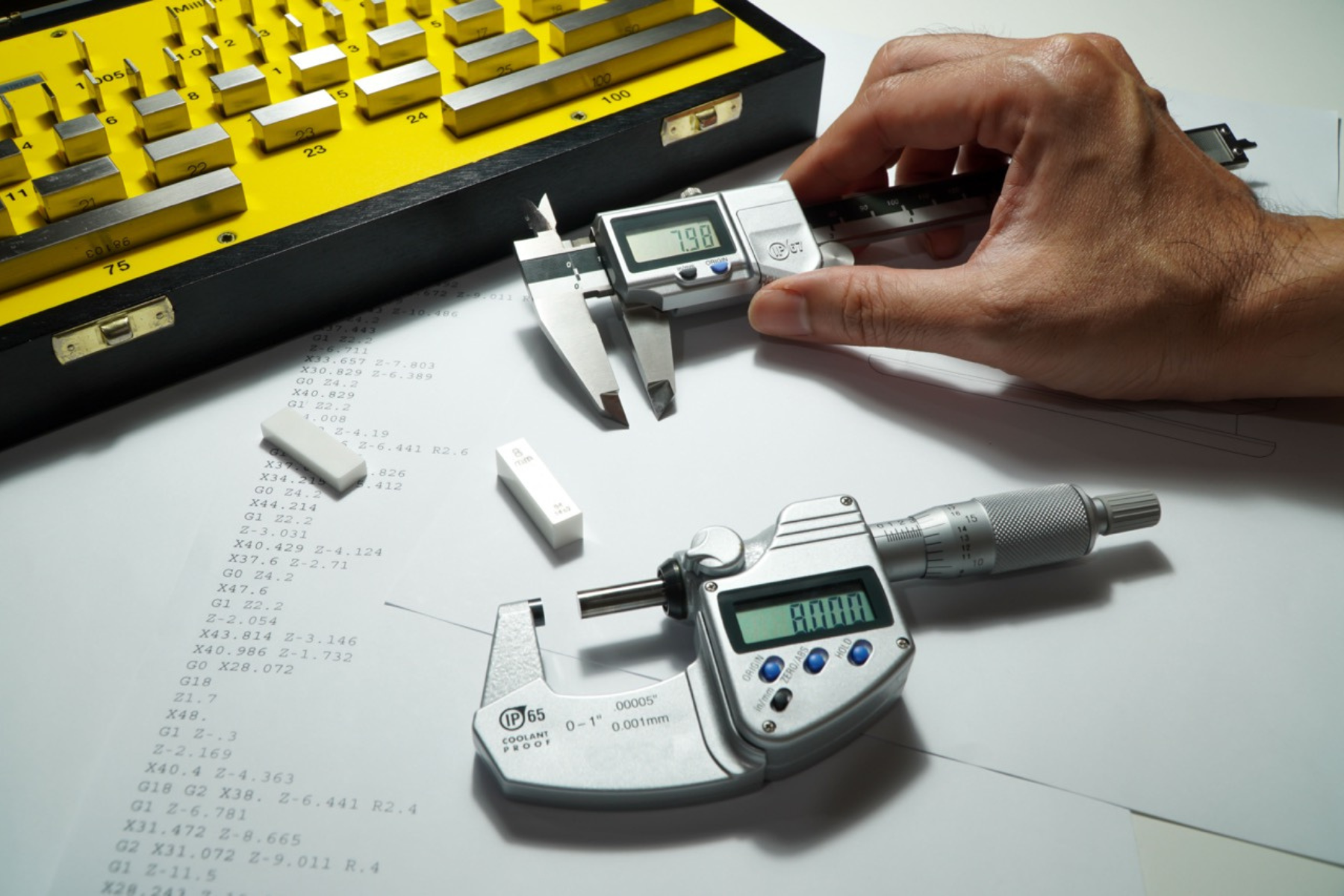 1. Understand Your Measurement Requirements
Start by defining what you need to measure. Do you require numerical data (variable gaging) or a simple pass/fail check (attribute gaging)? Variable gages, like CMMs or digital micrometers, provide precise measurements to track trends, ideal for industries like aerospace requiring tight tolerances (e.g., ±0.0004 inches). Attribute gages, such as go/no-go gages, are simpler and faster for high-volume production but offer less data. Per the 10:1 rule, your gage should be ten times more precise than the tolerance of the feature you’re measuring. For a tolerance of ±0.005 inches, choose a gage accurate to 0.0005 inches to ensure reliability.
2. Evaluate Your Industry’s Standards
Different industries have unique requirements. Aerospace demands 100% inspection for critical components, often using CMMs or vision systems for complex geometries. Medical device manufacturing requires traceability and compliance with FDA standards, favoring ISO 17025-accredited equipment. Automotive production often balances speed and precision, using automated vision systems for high-throughput checks. Check your industry’s regulations (e.g., AS9100 for aerospace) and ensure your gages meet those standards.
3. Consider Your Operating Environment
Where will measurements occur? Shop floors with dirt, oil, or temperature fluctuations demand rugged gages like hard gages (e.g., pin or thread gages) or durable vision systems. In contrast, controlled quality labs suit high-precision tools like CMMs or optical comparators. For example, a shop floor measuring a 0.375-inch shaft with a ±0.0004-inch tolerance needs a gage capable of detecting changes as small as 0.00004 inches, which may require robust equipment to withstand harsh conditions.
4. Balance Cost and Functionality
While advanced systems like Mitutoyo CMMs or Micro-Vu vision systems offer unmatched precision, simpler tools like calipers or go/no-go gages may suffice for less demanding tasks. Consider your budget and whether a standard gage meets your needs versus a custom solution. Standard gages are often cost-effective and faster to deploy, while custom gages are tailored for unique applications but may increase costs and lead times.
5. Factor in Calibration and Maintenance
Gages require regular calibration to maintain accuracy. Environmental factors (e.g., temperature, humidity) or frequent use can cause drift, necessitating calibration intervals based on manufacturer recommendations and usage. Equipment dropped or damaged should be recalibrated immediately to avoid errors. Choosing a provider with fast, ISO 17025-accredited calibration services ensures minimal downtime.
F. D. Hurka Metrology’s Precision Gaging Solutions
F. D. Hurka Metrology offers a comprehensive suite of gaging equipment and services to meet diverse industry needs, backed by over 50 years of expertise. Here’s how we help you choose and maintain the right tools:
1. Advanced Equipment from Trusted Brands
As the exclusive Micro-Vu distributor in nine states, we provide automated and manual vision systems, such as the Micro-Vu Excel, ideal for complex measurements in medical and automotive industries. Our Mitutoyo partnership offers CMMs like the MiSTAR 555, perfect for aerospace precision, with promotions like 30% off including an SP25 scanning probe and MCOSMOS V5.2 software. Edmunds’ hard gages, such as pin and thread gages, suit high-volume manufacturing. These partnerships ensure you get industry-leading equipment tailored to your needs.
2. Fast, Accredited Calibration Services
Our ISO 17025:2017-accredited lab (A2LA cert. #1527.01) in Charlotte, NC, delivers 3–5 day calibration turnarounds, compared to competitors’ 3–5 weeks. We offer in-house and on-site calibration for CMMs, vision systems, and hard gages, requiring only a controlled environment (stable lighting, power, workspace). This speed minimizes downtime, ensuring your production stays on track.
3. Training and Support
Proper gage use is critical for accuracy. Our in-house, virtual, or on-site training covers equipment operation, software (e.g., Micro-Vu’s InSpec), and calibration best practices. Training empowers operators to check gages against standards daily, reducing errors and extending equipment life.
4. Contract Dimensional Measurement
For companies without in-house gaging equipment, our contract measurement services use advanced CMMs and vision systems to deliver precise results, ideal for small-batch or high-precision needs without capital investment.
Real-World Impact: Choosing the Right Gage
Consider an automotive supplier needing to measure parts with ±0.001-inch tolerances. Initially using basic calipers, they faced inconsistent results on the shop floor. After consulting F. D. Hurka, they adopted a Micro-Vu vision system, calibrated on-site in 4 days. This upgrade improved accuracy, reduced scrap by 15%, and ensured compliance with automotive standards. Similarly, an aerospace firm chose a Mitutoyo CMM for complex geometries, supported by our training, boosting throughput and audit readiness.
 Tips to Choose and Maintain Your Gaging Equipment
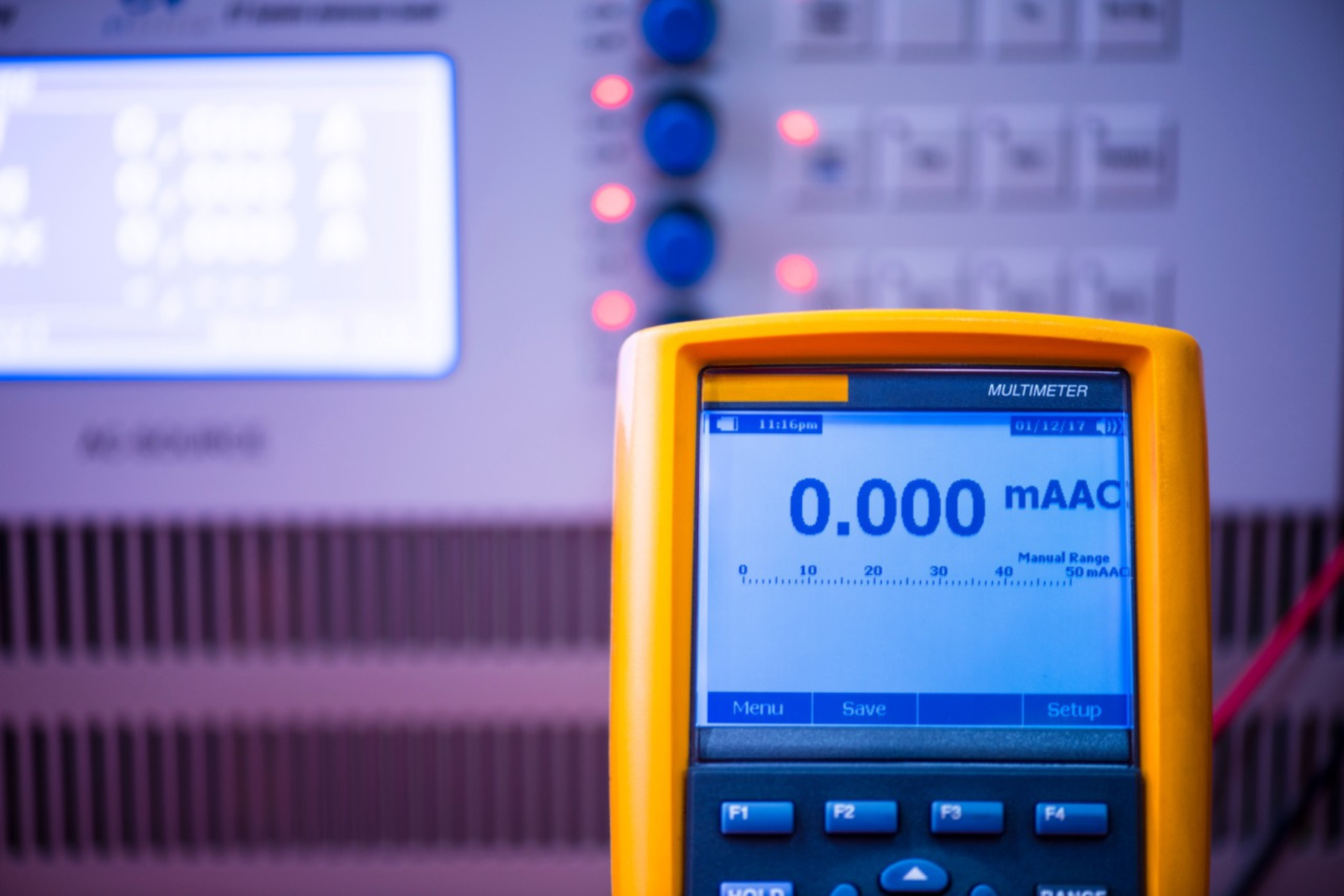 Tips to Choose and Maintain Your Gaging Equipment
- Match Gage to Tolerance: Use the 10:1 rule to ensure your gage’s precision (e.g., 0.0001 inches for a ±0.001-inch tolerance). Variable gages suit tight tolerances; attribute gages work for pass/fail checks.
- Assess Environment: Choose durable gages (e.g., hard gages) for shop floors or high-precision CMMs for labs. Ensure environmental controls (e.g., stable temperature) for accurate measurements.
- Plan Calibration Intervals: Follow manufacturer guidelines and industry standards. Increase frequency for heavily used or critical equipment to avoid out-of-tolerance issues.
- Train Operators: Regular training on gage use and daily checks against standards prevents errors. F. D. Hurka’s programs can help.
- Consult Experts: Work with a provider to evaluate project needs and recommend cost-effective solutions, avoiding overspending on unnecessary features.
Choose Precision, Choose Success
Selecting the right precision gaging equipment is a strategic decision that drives quality, efficiency, and compliance in manufacturing. Ready to find the perfect gaging solution? Request a quote at www.fdhurka.com/contact, call (704) 552-0008. Let’s ensure your measurements are accurate and your production thrives.

Chuck Meredith is a military veteran with over two decades of experience at FD Hurka Metrology. Since joining the company in 1999, Chuck dedicated 20 years to sales before stepping into the role of President in January 2020. Passionate about people and service, Chuck takes pride in ensuring FD Hurka provides exceptional gaging and calibration solutions to its customers.
GET IN TOUCH
Shipping Address
Mailing Address
Phone Number
Fax Number
CONTACT
To request specific information or to have someone from the F. D. Hurka Metrology contact you, please fill out the contact form or click the button below to request a quote:
