

Manufacturers across industries understand that equipment downtime carries a heavy cost — in productivity, revenue, and customer trust. But while many investments focus on faster machines, automation, and lean processes, one often under-appreciated lever for operational resilience is equipment calibration.
Calibration is more than a technical task; it’s a proactive risk-management strategy. When done within a structured 3–5 day calibration window, organizations can protect product quality and extend uptime — even in complex production environments.
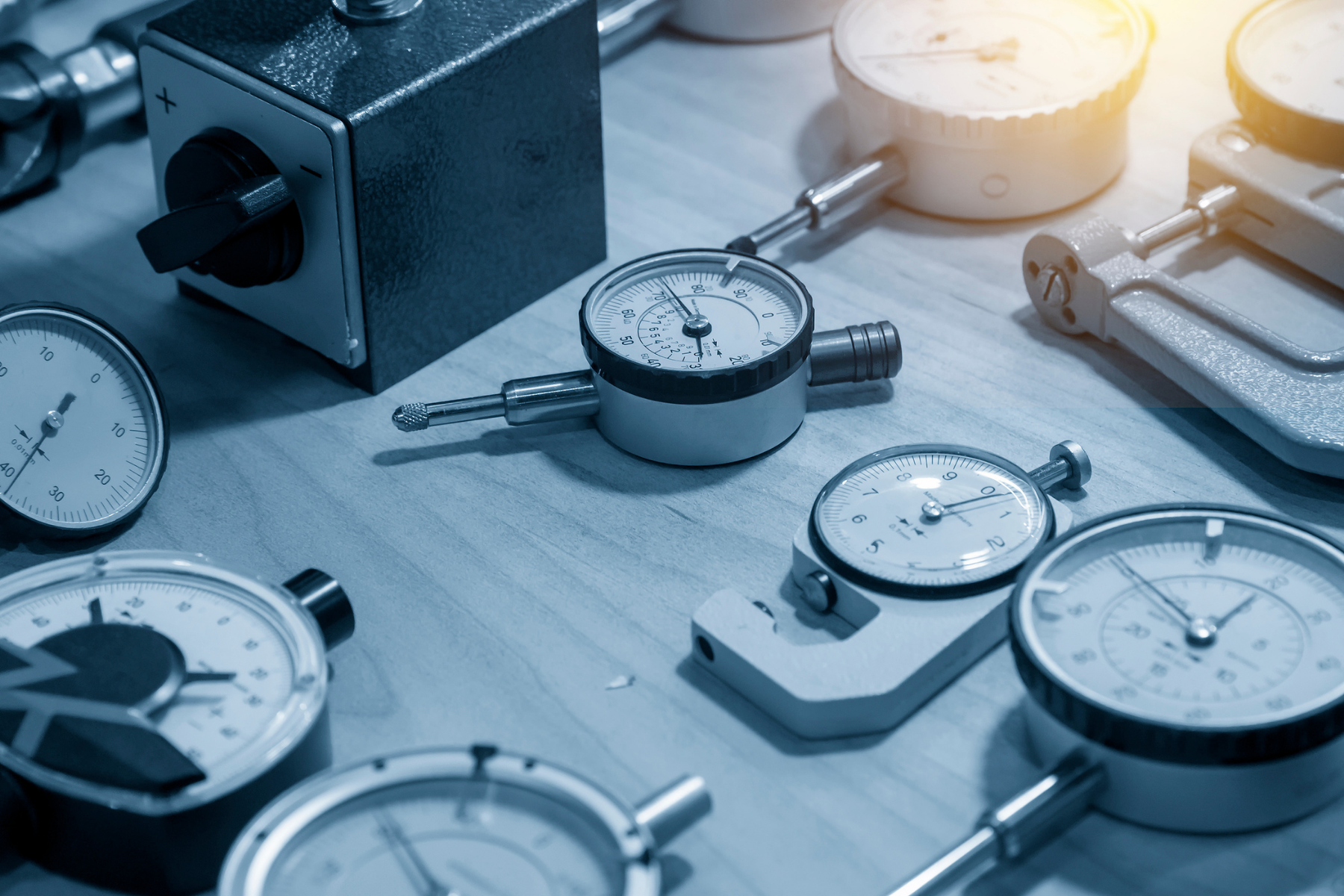 Understanding Calibration and Why It Matters
At its core, calibration is the practice of adjusting and verifying instruments so they deliver measurements that align with accepted standards. It applies across tools like:
- Pressure gauges
- Temperature sensors
- Flow meters
- Torque wrenches
- Digital weigh scales
- Vision systems in automated lines
Even the most rugged equipment can drift: physical wear, environmental conditions (humidity, temperature variation), vibration, and electrical noise can all subtly shift how an instrument reads data. Left unchecked, this drift can introduce measurement errors that ripple into production decisions.
These errors may not always be catastrophic — but they can degrade quality, trigger rework and waste, and lead to unplanned shutdowns that are costly and disruptive.
Why Schedule Calibration?
You might ask: Why not calibrate only when equipment fails or shows signs of drift? Reactive calibration might seem efficient in the short term, but it trades certainty for risk. Waiting for a deviation to surface often means production quality has already been affected.
Scheduled calibration — especially in a predictable 3–5 day window — flips this dynamic. Instead of waiting for failure, organizations anticipate drift and correct it before it impacts the line.
Anchoring Calibration in Production Planning
One reason calibration doesn’t always get executive attention is because it’s seen as a “technical” concern, left to maintenance teams. But when calibration is aligned with broader production goals, its value becomes strategic.
Here’s how a 3–5 day calibration window fits seamlessly into production planning:
- 1. Batches and Production CyclesMany manufacturers operate in batch cycles — weekly runs, monthly campaigns, or quarterly pushes. A calibration window that spans 3–5 days can fit neatly at week’s end or between major production campaigns, offering a natural pause for both maintenance and planning.
- 2. Material Changeovers and TransitionsProduction lines often change materials, thicknesses, or product specifications. These transitions are ideal points for calibration checks, because new product formats can expose measurement inconsistencies more readily.Setting aside a planned 3–5 day period for calibration before or after a material transition avoids unwanted surprises mid-run.
- 3. Maintenance SynchronizationScheduled calibration within a defined window provides visibility to other maintenance activities: cleaning, lubrication, software updates, and safety audits. By clustering these tasks, shops minimize repeated starts and stops, reducing labor inefficiency.
The Strategic Value of a 3–5 Day Window
Calibration can certainly be done in a single day, or even in minutes via automated systems. So why consider a longer window?
Here are the key strategic benefits:
- 1. True Calibration — Not Just Quick ChecksOne-off spot checks can catch glaring out-of-tolerance instruments, but they do not ensure comprehensive performance across operating conditions. A 3–5 day calibration window permits:
- Measurement checks at different operating loads
- Validation at multiple setpoints
- System warm-up periods
- Environmental variation tests (e.g., humidity cycles)
This is especially important for precision industries like aerospace, medical devices, and high-speed machined parts.
- 2. Thorough Documentation and TraceabilityWhen calibration is rushed, documentation can suffer. Critical details like instrument identity, calibration uncertainty, historical trends, and traceability chains may be incomplete. A structured window supports:
- Detailed record keeping
- Cross-functional sign-offs
- Historical trend analysis
- Compliance with standards such as ISO 9001 or ISO 17025
These records aren’t just paperwork — they are audit tools that safeguard quality certifications and customer confidence.
- 3. Reduction of Unplanned DowntimeUnplanned downtime is expensive. It disrupts schedules, stresses teams, and can even trigger contractual penalties. By intentionally allocating time for calibration — even if it means pausing production briefly — the organization mitigates the greater risk of unexpected failures.In operations management, this is known as moving from reactive to predictive maintenance.
- 4. Workforce Engagement and Process OwnershipA multi-day calibration rhythm provides space for cross-training. Operators, technicians, and quality engineers can collaborate on calibration tasks, share insights on drift patterns, and build collective ownership over production quality.This participative environment strengthens skill sets and can help uncover latent issues before they manifest downstream.
Operationalizing a 3–5 Day Calibration Rhythm
It’s one thing to recognize the value of calibration; it’s another to implement it thoughtfully. Below is a roadmap to help organizations make a 3–5 day calibration window a beneficial reality.
Step 1 — Map Critical Instruments and Priority Tiers
Not every instrument has equal impact. The first step is to classify equipment based on:
- Impact to product quality
- Frequency of use
- Historical drift patterns
- Regulatory necessity
This tiering helps teams decide which instruments warrant intensive calibration within the 3–5 day window and which can be addressed in shorter checks.
Step 2 — Define Calibration Standard Procedures
Standard Operating Procedures (SOPs) are essential. Well-defined steps should cover:
- Identification and tagging of instruments
- Calibration procedures and reference standards
- Documentation templates
- Acceptance criteria
- Escalation steps for out-of-tolerance conditions
A solid SOP ensures consistency and integrity, whether calibration is done by internal teams or external service providers.
Step 3 — Schedule Calibration Around Production Cycles
Where possible, align calibration with:
- Planned production breaks
- Material changeovers
- End-of-shift or end-of-week pauses
This alignment reduces impact on throughput while preserving maintenance rigor.
Step 4 — Invest in Training and Skill Development
Calibration is technical work. Investing in hands-on training ensures that staff:
- Understand measurement uncertainty
- Can interpret calibration reports
- Know how to communicate anomalies
- Can troubleshoot non-conformance
A trained workforce is less dependent on external service calls and more capable of maintaining uptime.
Step 5 — Use Technology Wisely
Calibration doesn’t have to be manual. Technologies that support calibration planning and execution include:
- Digital calibration management systems
- IoT sensors with auto-alert thresholds
- Barcode/RFID tagging of instruments
- Mobile apps for field calibration documentation
The goal is to reduce friction and human error, not replace critical judgment.
Common Misconceptions About Calibration Timing
Difficulty implementing longer calibration windows often stems from myths. Let’s debunk a few:
Myth: Short, Frequent Calibrations Are Always Better
Frequent checks can catch issues quickly, but they may lack depth. True calibration validates performance across operating ranges — not just at a single checkpoint. A scheduled window allows deeper verification.
Myth: Calibration Interrupts Production
Properly integrated, calibration becomes part of the production rhythm, not a disruption. When planned around natural pauses or scheduled maintenance blocks, it supports uptime more than it interrupts it.
Myth: Calibration Is Only for Quality Control
While calibration certainly underpins quality assurance, its effects ripple wider: equipment health, regulatory compliance, process predictability, and employee engagement all benefit.
How Calibration Impacts Costs — Thoughtfully
Calibration requires time, attention, and often third-party expertise. But it’s misleading to view it only as a cost. Instead, think of it in terms of risk reduction and value preservation.
- Avoiding product recalls
- Reducing waste from measurement drift
- Protecting customer trust
- Maintaining compliance with standards
- Avoiding expensive emergency repairs
Viewed this way, structured calibration — even within a 3–5 day window — becomes a wise investment.
 Calibration With FD Hurka
 Calibration With FD Hurka
Production systems are only as strong as the instruments that guide them. When measurement integrity falters, production quality follows. And while calibration is a well-known practice, its strategic integration into broader maintenance and production planning is where real value lies.
A 3–5 day calibration window strikes a balance. It allows organizations to perform deep, thoughtful calibration — not just quick checks — without unnecessarily burdening production schedules. Visit our website for more information!
Common FAQS About Equipment Calibration
-
What is equipment calibration, and why is it important in manufacturing?
Equipment calibration is the process of verifying and adjusting measuring instruments to ensure their accuracy against known standards. In manufacturing, accurate measurements are critical for maintaining product quality, ensuring process consistency, and preventing defects that can lead to rework, scrap, or downtime.
-
Why does the blog emphasize a 3–5 day calibration window instead of shorter checks?
A 3–5 day calibration window allows sufficient time for thorough verification across operating ranges, proper documentation, and corrective actions if issues are found. Unlike quick spot checks, this structured window supports deeper validation without rushing critical steps that protect production reliability.
-
How does calibration help minimize production downtime?
Calibration reduces downtime by identifying measurement drift before it causes quality failures or equipment shutdowns. Planned calibration prevents unexpected breakdowns, allowing organizations to address issues during scheduled maintenance rather than during active production.
-
Does calibration always require stopping production?
Not necessarily. Calibration can often be aligned with planned production pauses, changeovers,
or maintenance windows. Some instruments can be calibrated offline or in parallel with production, minimizing disruption while still maintaining measurement integrity.
-
Which types of equipment typically require regular calibration?
Common examples include temperature sensors, pressure gauges, flow meters, weighing scales, torque tools, and inspection or testing equipment. Any device that provides measurement data influencing production decisions should be part of a calibration program.
-
How does calibration support quality standards and compliance?
Regular calibration helps organizations meet requirements of standards such as ISO 9001, ISO 17025, and industry-specific regulations. Accurate records and traceability demonstrate control over measurement systems during audits and customer reviews.
-
What risks arise from skipping or delaying calibration?
Delaying calibration increases the risk of inaccurate measurements, inconsistent product quality, unplanned downtime, and non-compliance with regulatory or customer requirements. These risks can lead to production losses, reputational damage, and higher long-term costs.
-
Is calibration only a responsibility of the maintenance team?
No. While maintenance teams often perform calibration, quality, engineering, and operations teams all benefit from and contribute to calibration planning. Cross-functional involvement ensures calibration supports both technical accuracy and production goals.
-
How can organizations integrate calibration into their production schedules effectively?
Effective integration involves mapping critical instruments, prioritizing calibration tasks, aligning schedules with production cycles, and standardizing procedures. Using digital calibration management tools can further streamline planning and documentation.
-
Is a structured calibration program cost-effective in the long run?
Yes. While calibration requires time and resources, it helps prevent costly failures, waste, rework, and emergency repairs. Over time, a structured calibration approach supports operational stability and protects overall production value.

Chuck Meredith is a military veteran with over two decades of experience at FD Hurka Metrology. Since joining the company in 1999, Chuck dedicated 20 years to sales before stepping into the role of President in January 2020. Passionate about people and service, Chuck takes pride in ensuring FD Hurka provides exceptional gaging and calibration solutions to its customers.
GET IN TOUCH
Shipping Address
Mailing Address
Phone Number
Fax Number
CONTACT
To request specific information or to have someone from the F. D. Hurka Metrology contact you, please fill out the contact form or click the button below to request a quote:
