

Accurate measurements support product quality and operational efficiency in industrial operations. Many companies face challenges in maintaining precise calibration while working toward ongoing improvements and meeting regulatory requirements. F. D. Hurka Company understands the risks of inaccurate calibration. Product defects, costly downtime, and compliance issues can quickly arise when measurement systems fall out of sync. These problems not only disrupt operations but also impact customer trust and profitability.
To stay competitive, businesses must use the data from their calibration systems to drive smarter decisions. Metrics like measurement drift, equipment failure rates, and tool usage patterns provide valuable insight into process performance and reliability. Analyzing this data allows organizations to spot issues early, reduce waste, and improve long-term efficiency. For industries such as aerospace, automotive, and food manufacturing, working with a trusted calibration provider like F. D. Hurka Metrology offers a strategic advantage. Their expertise helps businesses maintain accuracy, improve quality, and meet the high standards demanded by today’s markets.
 What Are Calibration Systems?
Calibration systems consist of a structured set of tools and processes designed to adjust and verify the accuracy of measurement instruments. These systems make sure that instruments used in various industries, such as manufacturing, healthcare, and aerospace, provide results consistent with established standards and known reference points. The importance of calibration cannot be overstated, as it serves to maintain and enhance measurement precision, which is pivotal for quality control and compliance with industry regulations. According to the Metrology Institute, regular calibration supports accurate measurements, helps reduce expensive mistakes, and maintains consistent product quality in manufacturing operations.
Calibration systems help reduce measurement variability and keep processes aligned with required specifications. By employing precision calibration systems, businesses can develop a strong framework for quality assurance, thereby reducing errors and enhancing customer confidence in the products and services provided.
Types of Data Calibration Systems Collect
-
Measurement Drift
Measurement drift is a phenomenon that refers to the gradual deviation of measurement results from the true value as time progresses. As noted by experts in metrology, measurement drift can be attributed to several factors, including the aging of the calibration equipment, environmental conditions, and mechanical wear and tear. For instance, temperature-sensitive instruments often exhibit drift due to changes in room temperature or humidity, directly affecting measurement accuracy.
Identifying and tracking drift is vital, as it allows organizations to schedule recalibration at appropriate intervals. According to guidance from ISO and ASTM standards cited by ISOBudgets, implementing a regular calibration schedule helps monitor and reduce measurement drift, improving overall instrument reliability. This proactive approach helps maintain quality control, mitigating the risk of production errors and associated costs that can arise from unreliable measurements.
-
Failure Rates
Failure rates indicate how often equipment malfunctions or provides inaccurate readings. Tracking this data helps identify problems that may be caused by poor maintenance, worn-out parts, or mistakes made during operation. A high failure rate may point to the need for better user training and additional system checks to maintain consistent performance.
For example, research shows that regular maintenance can lower downtime by up to 25%, resulting in increased productivity. By reviewing patterns in failure rates, businesses can create targeted strategies to reduce future breakdowns and improve the reliability of their measurement instruments.
-
Usage Frequency
Usage frequency refers to how often each piece of equipment is utilized within a specific time frame. Tracking the frequency of usage is essential for equally distributing maintenance and calibration services across the equipment inventory. High-usage instruments may require more frequent calibration compared to those that are used sporadically.
Being mindful of usage frequency can enhance equipment lifespan by up to 30%. Resource allocation becomes more efficient when data-driven decisions on maintenance schedules are made, reducing downtime and optimizing operational expenses. Regularly monitoring usage frequency allows organizations to tailor maintenance schedules based on actual equipment use, thereby achieving a fine balance of reliability and efficiency.
-
Environmental Conditions
Calibration systems may also collect data regarding environmental conditions, such as temperature, humidity, and atmospheric pressure. These factors can directly influence measurement precision. For example, most precision instruments have specific environmental requirements, and deviations from these conditions can lead to measurement inaccuracies.
According to a study published in the Journal of Research of the National Institute of Standards and Technology, temperature variations can greatly affect the dimensional stability of materials, emphasizing the need for controlled environments in precision measurement. By incorporating environmental data into calibration routines, companies can adjust operational protocols to account for external factors, thus strengthening the reliability of measurement outputs.
-
Equipment Usage Logs
Equipment usage logs track the duration and frequency of use for each measurement instrument. These logs provide context around wear and tear, helping organizations prioritize which tools need calibration more frequently. For example, instruments used daily in high-throughput environments may show faster performance degradation than tools used occasionally.
Understanding usage patterns helps teams adjust maintenance and calibration schedules based on real operational needs. This information also supports resource planning, so tools used more often receive timely attention, reducing the risk of unplanned downtime and helping maintain consistent measurement accuracy.
-
Error Rates or Deviations from Standard Values
Error rates refer to how often an instrument’s measurements fall outside acceptable tolerance limits when compared to standard reference values. High error rates can be a sign of instrument fatigue, incorrect usage, or underlying technical faults that require immediate attention.
By tracking deviations from standard values, organizations can identify trends in equipment performance and assess whether calibration intervals need to be adjusted. According to industry standards such as ISO 17025, minimizing measurement uncertainty and identifying patterns of deviation is critical to maintaining quality control and regulatory compliance.
Utilizing Calibration System Data for Continuous Improvement
-
Regular Data Review
Conducting regular reviews of calibration data is essential for identifying trends that may impact measurement accuracy and compliance with standards. A systematic approach to data analysis makes sure that organizations can monitor key performance indicators (KPIs) related to equipment performance and calibration efficiency.
How to Implement: Set a schedule for reviewing calibration data. This could be weekly, monthly, or quarterly, depending on usage frequency and operational needs. Utilize software tools and dashboards that aggregate data from calibration systems, allowing for easy visualization of trends over time. For example, if the data indicates a consistent upward drift in temperature gauge measurements over the months, teams can plan maintenance ahead of time to address the issue. Regular reviews also allow for cross-departmental collaboration, where insights can lead to enhanced procedures across different facets of the organization.
-
Incorporate Predictive Maintenance
Predictive maintenance leverages calibration data to anticipate when equipment will require maintenance before it fails. By analyzing historical data on measurement drift, failure rates, and environmental conditions, businesses can develop accurate models predicting when issues are likely to occur.
How to Implement: Use analytics tools that can analyze data from calibration systems in conjunction with real-time usage statistics. For instance, if a specific piece of equipment exhibits increased failure rates during extreme temperature fluctuations, teams should schedule preventative maintenance during those volatile periods.
-
Set Benchmarks
Creating benchmarks based on historical performance data helps organizations set standards for measurement accuracy and operational efficiency. Establishing performance norms offers a baseline against which measurement performance can be assessed over time.
How to Implement: Analyze past calibration data to define acceptable ranges for measurement drift and failure rates for various instruments. This threshold can then be used to evaluate current performance and identify deviations. For example, if the acceptable drift for a torque wrench is set at ±1% but current measurements exceed this range, a trigger for recalibration can be initiated. Benchmarks also help in understanding the effectiveness of calibration processes and can encourage continuous improvements by highlighting areas of high performance and those that require more attention.
-
Employee Training
Investing in employee training based on assessment results derived from calibration data provides a dual benefit: enhancing the skills of the workforce and improving the reliability of measurements. Knowledge gaps can lead to improper equipment usage, impacting measurement accuracy and compliance.
How to Implement: Conduct skills assessments to determine areas where employees may require additional training. For example, if failure rates for certain equipment correlate with specific operator knowledge gaps, a targeted training program can be developed. Regular calibration training sessions, in conjunction with hands-on practice, help solidify comprehension and make certain that personnel are up to date with the latest operating procedures and maintenance requirements.
-
Documentation and Compliance
Proper documentation of calibration data plays a vital role in satisfying compliance with industry standards and regulations. Effective recordkeeping not only supports audits but also provides a transparent trail of accountability within the organization.
How to Implement: Maintain an organized system for documenting calibration activities, including standard operating procedures, results from calibration checks, and logs of maintenance performed. Digital solutions can improve efficiency in documentation practices. Compliance with standards such as ISO 9001 requires adequate documentation, and failure to comply can lead to quality issues and financial penalties.
-
Reporting to Stakeholders
Sharing findings from calibration data with stakeholders such as management, quality assurance teams, and even clients fosters a sense of transparency and accountability within the organization. Regular reporting encourages a culture of continuous improvement by highlighting successes and identifying areas for further development.
How to Implement: Create clear and informative reports that highlight key findings on measurement performance, completed calibrations, and observed trends or irregularities. Adjust the content of these reports to suit the needs of different stakeholders so that the information is easy to understand. Schedule regular meetings to present this data and support conversations about performance results and possible areas for improvement. Sharing reports openly supports accountability and helps maintain consistent quality standards across the organization.
By effectively leveraging calibration system data, organizations can drive continuous improvement across all aspects of their operations. From data review and predictive maintenance to benchmarking, training, documentation, and stakeholder reporting, each step presents an opportunity to enhance overall performance, improve measurement accuracy, and achieve long-term operational success.
Still Unsure About Calibration Data? These Short Answers Might Help
- Q1: Do we really need to keep analyzing calibration data all the time? Isn’t annual calibration enough?A: It might seem like once-a-year calibration is fine, but small measurement drifts can build up between intervals. Regular analysis helps catch subtle issues early before they become expensive problems. It’s about staying ahead of quality issues rather than reacting after the fact.
- Q2: My team barely uses some of our tools. Why bother tracking usage frequency for everything?A: That’s why tracking is useful. It helps identify which tools are used frequently and which are not. This avoids unnecessary calibration of rarely used equipment and keeps frequently used tools dependable. The goal is not just timing but proper use of resources.
- Q3: Is all this data stuff really worth the trouble? Does it actually save money?A: Fair question, and yes, it does. Companies that use calibration data effectively catch issues before breakdowns happen. That means fewer production halts, less waste, and lower maintenance costs. It’s not just about compliance; it’s about not letting small errors turn into big bills.
 The Role of Calibration at F. D. Hurka Metrology
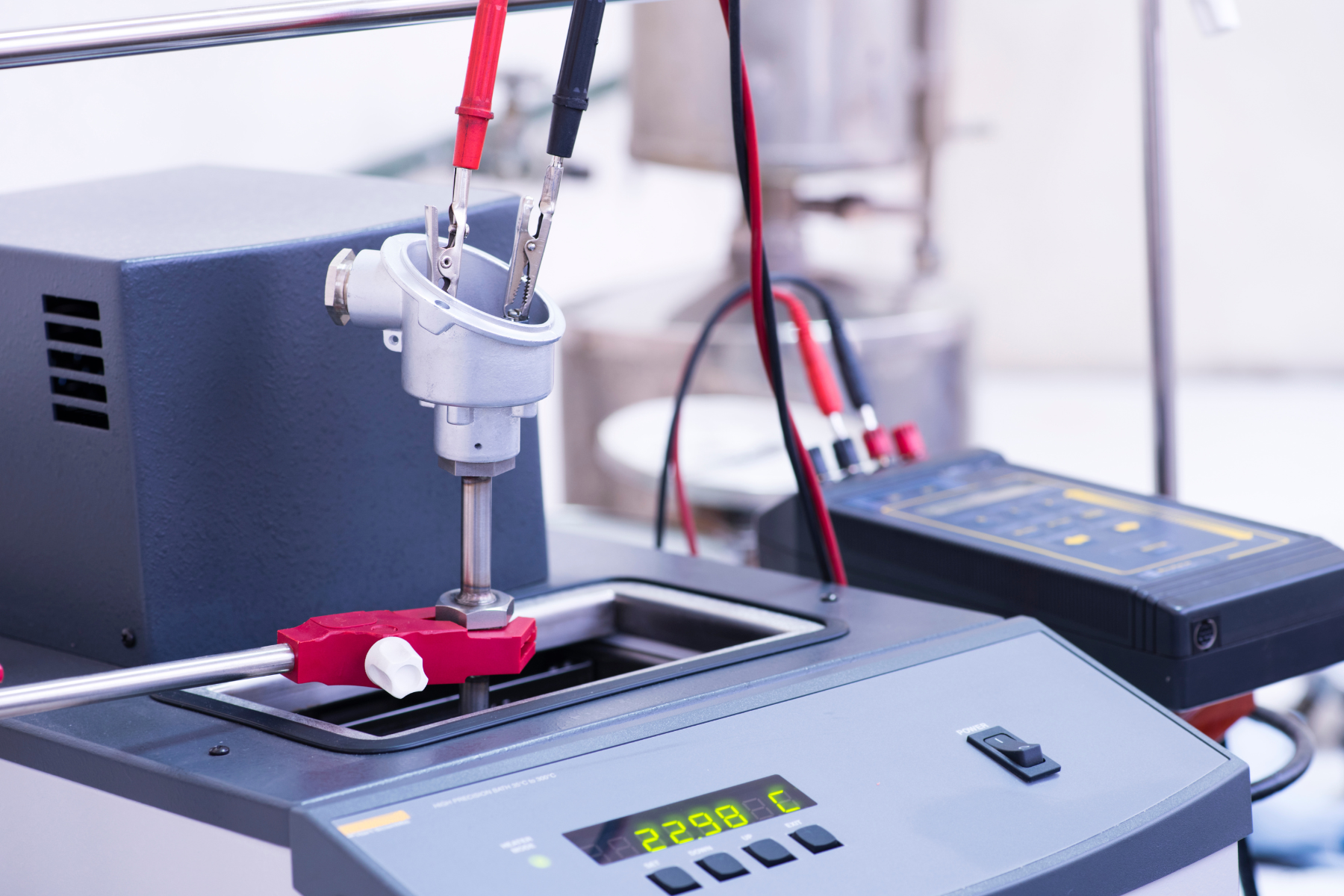 The Role of Calibration at F. D. Hurka Metrology
At F. D. Hurka Metrology, we recognize the critical impact of accurate measurements on operational efficiency and quality assurance. Located in Charlotte, NC, our calibration services cater to a diverse array of industries, such as aerospace, automotive, and pharmaceuticals. Our ISO 17025:2017 accredited laboratory provides both in-house and on-site calibration services to help maintain consistent measurement accuracy.
Our Service Areas
We offer services across multiple states, including Alabama, Georgia, South Carolina, Virginia, Mississippi, and Florida. Our work covers dimensional and electrical calibration, along with contract inspection, giving clients a broad range of support options.
Contact Us for Your Calibration Needs
Are you ready to enhance your operational efficiency through effective calibration? At F. D. Hurka Metrology, we are here to help you. By making the most of your calibration systems data, you can foster an environment of continuous improvement that drives not only corporate success but also customer satisfaction. Embracing data collection and analysis is not a one-off process; it builds a foundation for ongoing operational success and quality assurance. Let’s work together to achieve your calibration goals and operational excellence. Contact us today for more information.

Chuck Meredith is a military veteran with over two decades of experience at FD Hurka Metrology. Since joining the company in 1999, Chuck dedicated 20 years to sales before stepping into the role of President in January 2020. Passionate about people and service, Chuck takes pride in ensuring FD Hurka provides exceptional gaging and calibration solutions to its customers.
GET IN TOUCH
Shipping Address
Mailing Address
Phone Number
Fax Number
CONTACT
To request specific information or to have someone from the F. D. Hurka Metrology contact you, please fill out the contact form or click the button below to request a quote:
