

How can a facility minimize production downtime and maintain audit readiness while keeping measurement accuracy within compliance? For industries in sectors like manufacturing, pharmaceuticals, aerospace, and food processing, these are ongoing challenges. F. D. Hurka Metrology delivers on-site calibration services that reduce equipment transport delays, support uninterrupted operations, and align instrument performance with quality standards. With increased scrutiny from regulatory bodies and rising expectations for traceability, many quality managers and operations leaders are choosing on-site calibration as a strategic way to maintain control over process reliability while staying compliant with ISO 17025 and customer-driven audit requirements.
Organizations often delay calibration due to the logistical burden of shipping equipment or the fear of extended downtime. These delays can lead to undetected drift, production inefficiencies, and potential regulatory violations. On-site calibration removes these obstacles by bringing certified technicians directly to your facility, allowing operations to continue with minimal disruption. For companies across North Carolina, South Carolina, Georgia, Tennessee, and beyond, partnering with F. D. Hurka Metrology for on-site service means fewer gaps in your quality system and more consistent performance from mission-critical instruments.
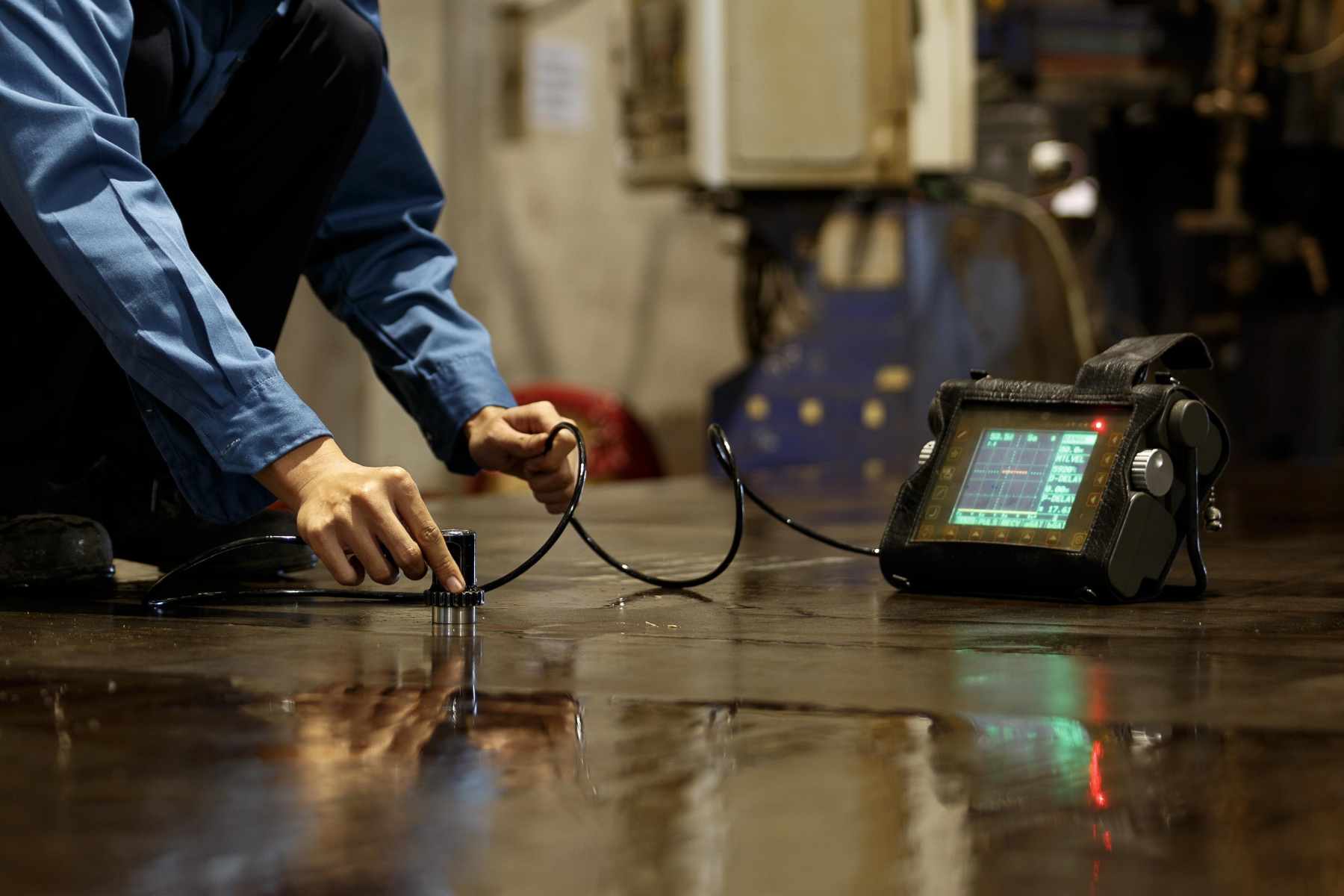 Pre-Visit Preparation
Adequate preparation is instrumental in maximizing the effectiveness of your on-site calibration service visit. Keeping everything in order involves arranging access to equipment, collecting the necessary documentation, and following safety protocols. These steps help support a steady calibration process and reduce the chances of delays or interruptions to your operations.
Equipment Access
Make sure all instruments requiring calibration are easily accessible and well-organized. A cluttered workspace can lead to unnecessary delays during the calibration process. Depending on your facility’s layout, you may need to move certain pieces of equipment to clear a path for the technicians or place them in an area where they can easily be reached.
- Organizing Equipment: Assess which instruments need calibration and group them logically. For example, arrange similar measuring tools together to streamline the technician’s workflow.
- Minimizing Obstacles: Identify any potential barriers that could hinder the calibration process. These could include furniture, unused equipment, or other items that might obstruct access to machines. Remove these barriers ahead of time to create a clear workspace.
Documentation
Gathering all relevant documentation for your equipment and calibration history is vital. Providing clear and complete documentation helps the technician understand the calibration status of each instrument. This information is essential for accurate assessment and adjustment during the service visit.
- Types of Documentation: Collect historical calibration certificates, prior calibration data, manufacturer specifications, and maintenance records for your instruments. This documentation serves as a foundation for the technician to evaluate the current calibration status and recommend any necessary changes.
- Importance of Documentation: Having all relevant documents readily available accelerates the calibration process and makes certain that your organization meets regulatory requirements. Detailed records demonstrate compliance with industry standards, helping to avoid potential penalties or operational disruptions.
Safety Protocols
Adhering to your organization’s safety protocols is paramount when preparing for on-site calibration services. Prioritizing safety fosters a secure environment for both your employees and the calibration technicians.
- Necessary Equipment: Have all necessary personal protective equipment (PPE) available and ready for technicians when they arrive. This may include safety goggles, gloves, or covers, depending on the specifications of the instruments being serviced.
- Clean and Safe Workspace: Conduct a thorough assessment of the work area to confirm it is clean and safe. Remove any materials that could pose a risk, such as spills or clutter that could hinder movement. A well-maintained workspace not only promotes safety but also reflects positively on your organization’s operational standards.
- Communication of Safety Protocols: Inform all relevant staff about the procedures and protocols to follow during the technician’s visit. This makes certain that everyone is aware of their responsibilities and helps create a collaborative environment during the calibration process.
Types of Instruments Commonly Serviced In-Field
On-site calibration services support the accuracy of instruments used across different industries. These services address the needs of various applications by keeping measurement devices accurate and dependable. The section below outlines the types of instruments commonly calibrated on-site and their role in maintaining consistent quality and smooth operations.
-
Dimensional Measuring Instruments
- Calipers: Used for measuring internal and external dimensions, this instrument also measures the depth of an object.
- Micrometers: These are used to measure small dimensions with great accuracy.
- Height Gages: Utilized for measuring vertical heights, these instruments are often employed in settings that require exact surface measurement.
- Tapes and Rulers: While simpler than other measuring tools, these instruments still require calibration to ensure accuracy.
-
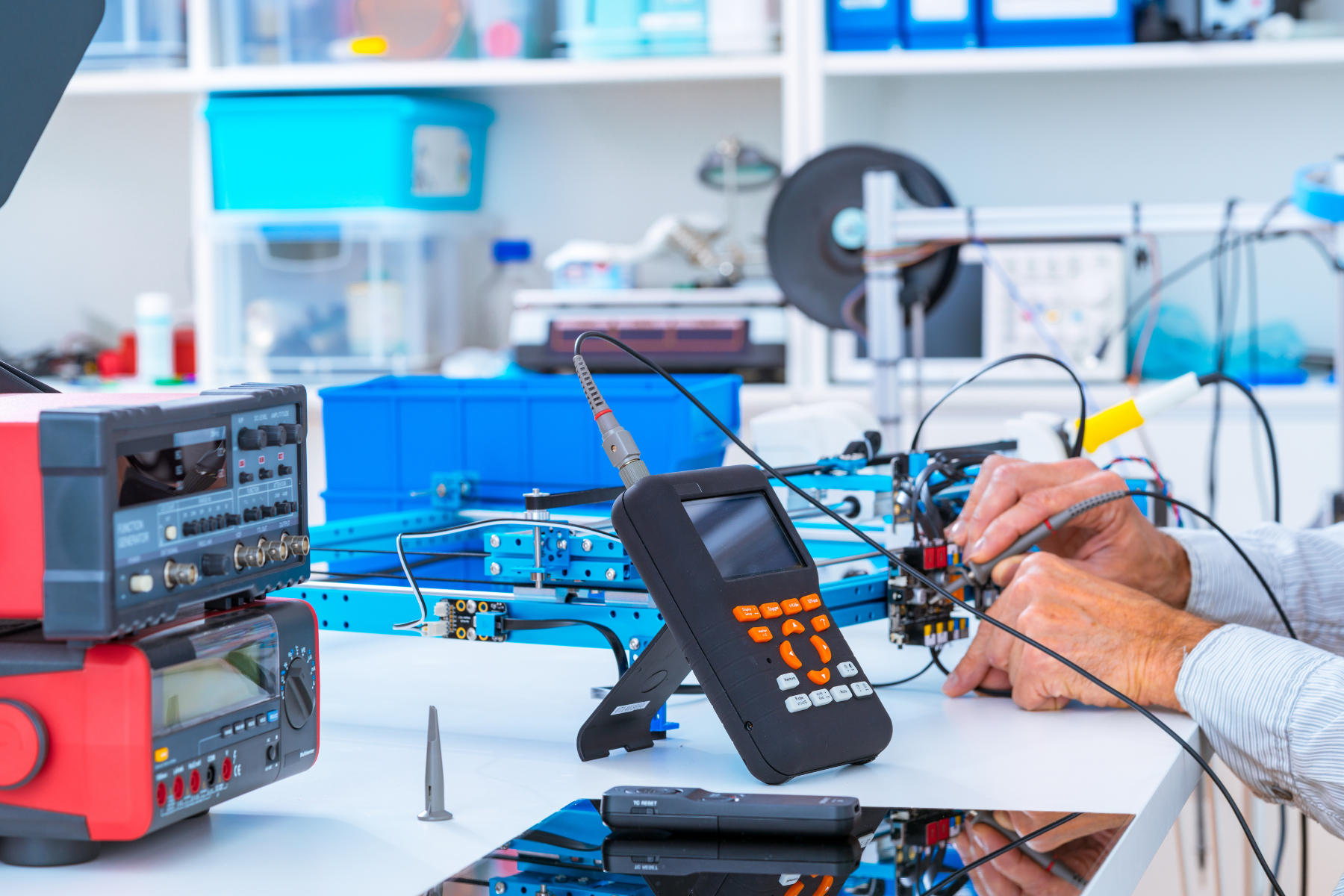
Electrical Testing Equipment
- Multimeters: Measure voltage, current, and resistance.
- Oscilloscopes: Used to visualize changes in electrical signals over time.
- Signal Generators: Produce various signal types for testing electronic equipment.
- Power Supplies: Deliver precise voltage and current levels for testing equipment and devices.
-
Temperature and Humidity Measuring Instruments
- Thermocouples: Measure temperature across various applications.
- Temperature Loggers: Monitor temperature in critical environments.
- Humidity Sensors: Measure humidity in various settings, such as food production and pharmaceuticals.
- Infrared Thermometers: Measure surface temperatures without contact.
-
Pressure Gauges
Pressure gauges are essential for measuring the force exerted by gases or liquids within a system. Regular calibration ensures safety compliance and operational efficiency.
-
Torque Wrenches
Torque wrenches are used to apply the correct amount of force to fasteners. Regular calibration ensures mechanical integrity and prevents fastener failures.
-
Weighing Scales
Calibration of weighing scales ensures accurate weight measurements, supporting compliance with industry regulations, especially in food production and healthcare.
 Compliance and Certification Documentation Provided Post-Service
 Compliance and Certification Documentation Provided Post-Service
One of the benefits of using on-site calibration services is the certification documentation provided after service completion.
- Calibration certificates detailing measurements before calibration, adjustments made, and final measurements.
- Compliance records indicating adherence to industry standards such as ISO 17025.
- Recommendations or observations noted by technicians during the calibration process.
F. D. Hurka Metrology’s Commitment to Reliable On-Site Calibration Services
Since 1970, F. D. Hurka Company has supported manufacturers, laboratories, and production facilities with trusted calibration solutions designed to meet strict industry requirements. Whether on-site or in-house, the company delivers precision measurement services that support operational continuity, audit readiness, and quality assurance.
Contact Us
If you are looking for reliable calibration services near you, consider partnering with F. D. Hurka Metrology. Our team is dedicated to exceeding your expectations with prompt, professional service.

Chuck Meredith is a military veteran with over two decades of experience at FD Hurka Metrology. Since joining the company in 1999, Chuck dedicated 20 years to sales before stepping into the role of President in January 2020. Passionate about people and service, Chuck takes pride in ensuring FD Hurka provides exceptional gaging and calibration solutions to its customers.
GET IN TOUCH
Shipping Address
Mailing Address
Phone Number
Fax Number
CONTACT
To request specific information or to have someone from the F. D. Hurka Metrology contact you, please fill out the contact form or click the button below to request a quote:
