

As September planning brings many facilities into equipment and quality reviews, adding a new measuring system involves more than installation. At FD Hurka Metrology, we know operators also need to understand how to use the equipment correctly, recognize conditions that can affect results, and follow a consistent measurement process. That is why metrology equipment training should be considered part of implementation rather than an optional step after the equipment is already in use.
The exact training needs depend on the equipment, software, measurement task, and operator experience. Different systems require different instruction, but several training areas are important across many types of precision measurement equipment.
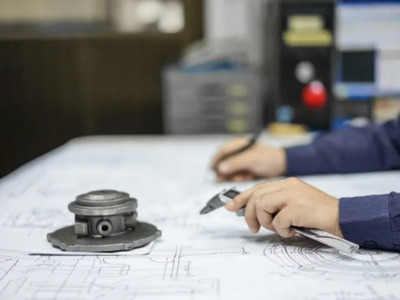 Start With Basic Equipment Operation
The first part of metrology equipment training should cover normal equipment operation. Operators need to understand how the machine starts, how parts are positioned, how probes or sensors are handled, how the measurement sequence is performed, and how results are displayed.
If a system includes different probes, magnifications, fixtures, measurement modes, or accessories, the operator should know when each is appropriate. Training should also explain which settings are part of normal operation and which should not be changed without authorization. Different configurations can create inconsistent results when operators measure the same feature in different ways.
Teach the Measurement Method, Not Just the Controls
Knowing which button to press is not enough. Operators also need to understand the measurement method behind the equipment.
A comparator operator should understand how focus, alignment, magnification, and edge location affect a visual measurement. A CMM operator should understand how datums, probe qualification, part setup, and measurement strategy influence the reported result. A person using gage calibration equipment should understand the role of masters and references.
This part of metrology equipment training helps operators connect the procedure to the result. The goal is not to turn every operator into a metrology specialist. It is to help them understand which factors can change a measurement and when a result deserves closer review.
Include Software Training When the System Depends on It
Many modern measuring systems depend heavily on software. Operators may need to select programs, enter part information, review results, or manage measurement routines.
Software training should match the operator’s responsibilities. Someone who only runs an approved program may not need the same instruction as a person who creates or edits routines. Roles should be clear so operators know what they are permitted to change.
FD Hurka Metrology’s support and training information confirms that training may include software use and program writing for supported precision measurement equipment. That makes software knowledge an important part of metrology equipment training when the system relies on digital workflows.
Cover Part Setup and Fixturing
Even capable equipment can produce poor results if the part is positioned inconsistently. New-equipment training should cover part setup, fixturing, and orientation.
Operators should understand how the workpiece is located and restrained, which surfaces must remain clean, and whether clamping could influence the geometry being measured. Repeatability often depends on performing the same setup the same way.
Hands-on practice can help operators understand how the approved fixture, part orientation, and measurement sequence work together.
Explain Calibration and Routine Verification
Operators should understand the difference between formal calibration and routine verification. Calibration provides information about an instrument’s performance against suitable references, while pre-use or interim checks may be used to confirm that the system appears ready for use.
The operator should know which checks are required by the facility’s procedure, how to recognize an overdue calibration status, and what to do if a verification check does not produce the expected result.
Training should not encourage unauthorized adjustments simply to make a system pass. Instead, procedures should define when equipment must be stopped, reviewed, or escalated. Including these topics in metrology equipment training helps connect daily operation with the facility’s broader calibration and quality system.
Build Environmental Awareness Into Training
Temperature, vibration, contamination, lighting, airflow, and part cleanliness can affect precision measurement in different ways. Operators do not need to memorize every source of measurement uncertainty, but they should understand the conditions that matter for the equipment they use.
A part moved from another temperature environment may need time to stabilize. Dust or oil on a contact surface may affect a reading. Lighting may influence optical inspection, while vibration can matter for sensitive equipment.
Good metrology equipment training teaches operators to review the surrounding conditions before assuming every unexpected result is caused by the machine.
Teach Proper Care, Handling, and Storage
Precision equipment can also be affected by how it is handled between measurements. Operators should know how probes, styli, masters, fixtures, gages, and accessories are cleaned, protected, and stored.
FD Hurka Metrology’s support and training information specifically states that training can include equipment operation, software use, general calibration, program writing, storage, and more. Care instructions should still be specific to the equipment. Operators should know what they can clean or adjust themselves and when damage or unusual behavior should be reported.
Train Operators to Read and Respond to Results
Another important part of metrology equipment training is learning how to interpret results without exceeding the operator’s role.
Operators should understand what the display or report represents, how nominal values and tolerances appear, and how to recognize error messages or questionable readings. They should also know what happens when a result falls outside the expected range.
A measurement should not be ignored or repeatedly taken until a preferred value appears. The facility should have a defined process for questionable measurements, failed checks, and equipment concerns, and training should reinforce that process.
Provide Additional Training When Responsibilities Change
Initial instruction is important, but training needs can change. Additional training may be appropriate when new software is introduced, measurement programs change, probes or accessories are added, operators take on new responsibilities, or recurring variation suggests that procedures are not being applied consistently.
The purpose of metrology equipment training is to give operators enough knowledge to use the equipment within a controlled process and recognize when they need assistance.
 Match Training Depth to the Operator’s Role
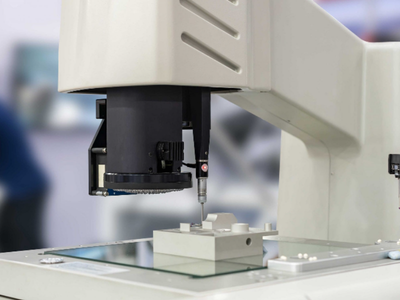 Match Training Depth to the Operator’s Role
Not every person needs the same level of instruction. A production operator who loads parts and runs an approved program may need training focused on setup, routine operation, cleaning, and response to errors. A quality technician may need deeper instruction on measurement strategy, verification, software, and interpretation. A programmer may require additional training on program writing and system configuration.
Defining these roles makes training more practical because it focuses on the tasks each person actually performs.
At FD Hurka Metrology, we provide support and training for a range of precision measurement equipment, with options listed on our website for training at our Charlotte facility, virtually, or on-site. Training can include equipment operation, software use, general calibration, program writing, storage, and other relevant topics for supported equipment. If your team is adding new precision measurement equipment or reviewing operator training needs, contact FD Hurka Metrology at 704-552-0008 to discuss available support and training options through our calibration services.
Frequently Asked Questions
1. What should operators learn before using new precision measurement equipment?
Operators should first learn the basic operating procedure, including startup, part loading, fixture use, probe or sensor handling, measurement sequence, and how results are displayed. Training should also identify which settings operators are allowed to change and which require additional authorization or technical review.
2. Why is understanding the measurement method important?
Understanding the measurement method helps operators recognize which factors can influence the result. Depending on the equipment, this may include part alignment, probe qualification, focus, edge detection, datum selection, fixturing, measuring force, or environmental conditions. Metrology equipment training should explain both how to operate the system and why the procedure matters.
3. How much software training do measurement equipment operators need?
Software training should match the operator’s responsibilities. Someone who only runs approved programs may need instruction on program selection, data entry, and result review, while programmers or quality technicians may need deeper training on program creation, editing, software settings, and measurement strategy.
4. Why should fixturing be included in metrology equipment training?
Fixturing affects how consistently a part is positioned and restrained during measurement. Operators should understand the correct orientation, contact surfaces, clamping method, and cleanliness requirements for the approved setup. Poor or inconsistent fixturing can introduce measurement variation even when the equipment itself is operating correctly.
5. Do operators need to understand calibration procedures?
Operators should understand the calibration requirements that affect their daily work, even if they are not responsible for performing formal calibration. They should know how to recognize calibration status, complete required verification checks, and respond if equipment is overdue or produces an unexpected verification result.
6. What environmental conditions should measurement operators watch for?
Operators should be aware of temperature changes, vibration, dust, oil, lighting, airflow, and part cleanliness when those conditions can affect the equipment or measurement process. Metrology equipment training should explain which environmental factors matter for the specific system and when conditions should be reviewed before continuing inspection.
7. Should operators be trained on cleaning and storing measurement equipment?
Yes. Operators should know the approved methods for cleaning, handling, protecting, and storing equipment, probes, styli, masters, fixtures, and accessories. Improper handling or storage may affect equipment condition and measurement consistency, so care procedures should be included in operator training.
8. What should an operator do when a measurement result looks unusual?
The operator should follow the facility’s documented procedure rather than repeatedly measuring until a preferred result appears. The process may involve checking part setup, cleanliness, fixture condition, verification status, or equipment condition and escalating the issue when necessary. Training should clearly explain how questionable results are handled.
9. When should metrology equipment training be repeated?
Additional training may be appropriate when software changes, new accessories are introduced, measurement programs are updated, operators take on new responsibilities, equipment is relocated, or recurring variation suggests that procedures are not being followed consistently. Refresher training can also help reinforce established measurement practices.
10. Should every operator receive the same level of metrology equipment training?
No. Training depth should generally match the operator’s role. Production operators may need instruction focused on setup and routine operation, while quality technicians may need deeper knowledge of measurement strategy and verification. Programmers may require additional instruction on software, program writing, and system configuration.

Chuck Meredith is a military veteran with over two decades of experience at FD Hurka Metrology. Since joining the company in 1999, Chuck dedicated 20 years to sales before stepping into the role of President in January 2020. Passionate about people and service, Chuck takes pride in ensuring FD Hurka provides exceptional gaging and calibration solutions to its customers.
GET IN TOUCH
Shipping Address
Mailing Address
Phone Number
Fax Number
CONTACT
To request specific information or to have someone from the F. D. Hurka Metrology contact you, please fill out the contact form or click the button below to request a quote:
