

Coordinate Measuring Machines play a critical role in modern manufacturing, quality control, and calibration environments. They are trusted to verify dimensions, confirm tolerances, and support precision-driven processes across many industries. However, even the most advanced machine can produce unreliable results when its surroundings are not properly controlled. That is why understanding CMM accuracy factors is so important.
A CMM is designed to measure with a high degree of precision, but that precision does not exist in isolation. The environment around the machine can influence how well it performs from one measurement to the next. Temperature changes, humidity levels, vibration, airborne contamination, and even operator workflow can all affect results. When these issues are ignored, the machine may still appear to function normally while generating measurements that are less dependable than expected.
For companies that depend on precise inspection and calibration, environmental stability is not just helpful. It is a core part of measurement integrity.
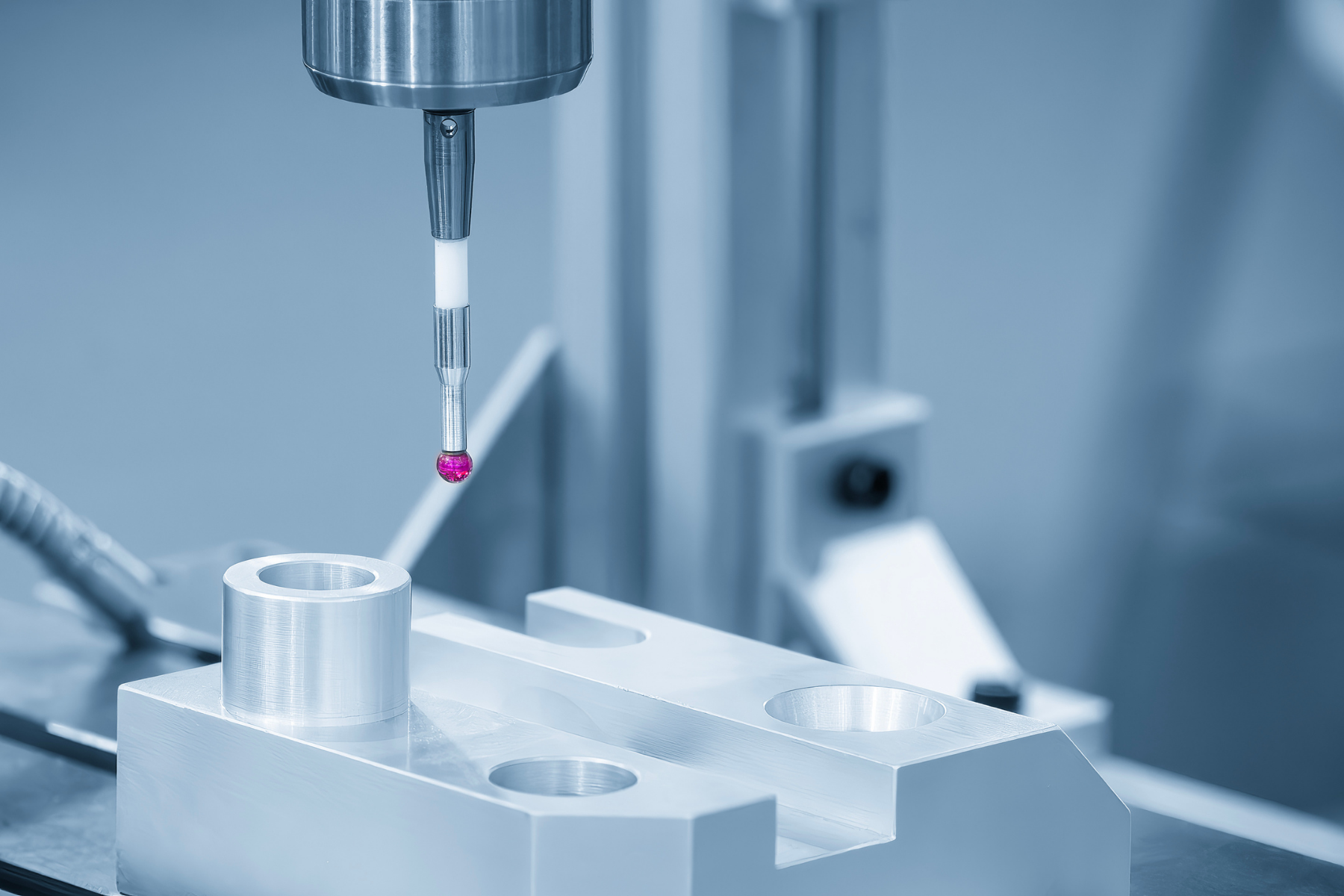 Why Environmental Control Matters for CMM Performance
A CMM works by collecting precise spatial data from a part using a probe system. That data is then used to compare actual dimensions to the intended design. Because CMMs are often used in applications where very small deviations matter, seemingly minor environmental shifts can introduce measurement variation.
When discussing CMM accuracy factors, it is easy to focus only on the machine itself. Calibration status, probe condition, software, and maintenance all matter. But the measurement environment is equally important because the machine, the workpiece, and the surrounding air all interact during inspection.
If the room becomes warmer or cooler, materials expand or contract. If vibration moves through the floor, the probe can register slight disturbances. If humidity rises too high, components may be affected over time. If dust settles on the part or the measuring surfaces, readings may no longer reflect true geometry. In short, the machine can only be as accurate as the conditions allow.
Temperature Is One of the Most Important CMM Accuracy Factors
Among all environmental influences, temperature is often one of the most significant. Both the CMM and the part being measured respond to temperature changes. Since most materials expand when heated and contract when cooled, even a small shift in room temperature can affect dimensional results.
Thermal Expansion of the Workpiece
When a part changes temperature, its size can change as well. This is especially important for tight-tolerance components. A part that is warmer than the reference temperature may measure slightly larger than expected. A cooler part may measure smaller. If the part has not had time to stabilize in the inspection environment, the resulting data may reflect temperature-related distortion rather than true part dimensions.
This can happen when parts come directly from machining, grinding, storage, or shipping areas with different temperatures. Even if the difference feels minor to a person, it can still matter in precision measurement.
Thermal Effects on the CMM Structure
The machine itself is also affected by temperature. Its frame, scales, guideways, and probe system can all respond to thermal change. If different parts of the machine warm or cool unevenly, geometry can shift enough to influence measurement repeatability and accuracy.
A controlled environment helps reduce these risks by keeping the machine and the workpiece closer to a stable reference condition.
Temperature Gradients
Uniform temperature matters just as much as the actual temperature value. A room may seem acceptable overall, yet still have localized hot or cool spots caused by vents, windows, doors, equipment, or direct sunlight. These gradients can create uneven expansion across the machine or across the part.
For example, one side of a large workpiece may be warmer than the other. That can lead to subtle distortion that affects measurements across multiple features. Likewise, air flowing from HVAC vents can create temperature differences around the CMM throughout the day.
Because of this, consistent temperature control is one of the most important CMM accuracy factors in any inspection or calibration setting.
Humidity Can Influence Stability Over Time
Humidity is sometimes overlooked when discussing CMM environments, but it still plays an important role. Excessive humidity can contribute to corrosion, condensation risks, and long-term wear on sensitive components. Extremely low humidity can also introduce concerns, especially in facilities where static electricity may affect electronic systems or handling practices.
While humidity may not create the same immediate dimensional effect as temperature, it can influence the long-term health and reliability of the machine and related equipment. Fixtures, probes, electronics, and reference artifacts all benefit from being used and stored in a stable environment.
High humidity can also affect certain materials being measured. Some non-metallic materials may respond more noticeably to environmental moisture than metal parts do. In these cases, controlling the room environment becomes even more important to ensure dependable inspection results.
Maintaining balanced humidity levels supports both machine preservation and measurement consistency, making it another important part of managing CMM accuracy factors.
Vibration Can Disrupt Precise Measurements
Vibration is another major environmental concern for CMM performance. These machines are designed to detect very fine dimensional differences, so outside motion can interfere with the measuring process.
Sources of Vibration
Vibration may come from many sources inside or outside the facility, including:
- Nearby production equipment
- Forklift traffic
- Heavy foot traffic
- Compressors or pumps
- Building systems
- Passing vehicles or rail activity
- Unstable flooring
Even when these sources are not obvious, they can create enough movement to affect repeatability.
How Vibration Affects Measurement
If the machine or part moves during probing, the recorded point may not represent the true surface location. Repeated probing of the same feature may then produce slightly different results. In scanning applications, vibration can also add noise to collected data, making results less stable.
This is especially important in environments where the CMM is placed too close to active production areas. While convenient access may seem beneficial, proximity to vibration sources can compromise the quality of inspection data.
For organizations looking to improve measurement reliability, evaluating vibration exposure is an essential step in understanding CMM accuracy factors.
Airflow and Drafts Can Create Unexpected Variation
Air movement may seem harmless, but it can affect CMM results more than many people realize. Strong or inconsistent airflow from HVAC systems, fans, open doors, or nearby equipment can influence both the machine and the part.
Drafts can create localized temperature changes that affect thermal stability. They may also cause slight motion in lightweight parts, fixtures, or probing accessories. In some environments, airflow can carry dust or other contaminants into the measuring area.
A well-designed inspection space reduces unnecessary air turbulence while still maintaining proper climate control. This balance supports stable machine operation and minimizes one more source of variation in the overall group of CMM accuracy factors.
Dust and Airborne Contamination Can Affect Contact and Surface Readings
Cleanliness matters in precision measurement. Dust, oil mist, shop debris, and other airborne contaminants can settle on the machine, the workpiece, the fixture, or the stylus. When that happens, the measured surface may no longer represent the actual part condition.
Surface Contamination on the Workpiece
If dirt or residue is present on the part, the probe may contact that contamination instead of the true surface. This can alter point locations and lead to dimensional readings that are slightly off. On small or highly finished features, even a small amount of contamination may matter.
Machine and Probe Contamination
Dust and residue can also accumulate on guideways, air bearings, probe components, or reference spheres. Over time, contamination can influence movement quality, probing behavior, or calibration checks. That is why housekeeping and routine cleaning are closely tied to measurement performance.
A cleaner environment supports more reliable results and protects the condition of the machine. For companies evaluating CMM accuracy factors, contamination control should be treated as an ongoing priority rather than an occasional task.
Lighting and Heat Sources Can Indirectly Influence CMM Accuracy
Lighting itself is not usually the first factor people think of, but it can have an indirect effect. Certain light sources generate heat, and poorly placed lighting can create localized warming on the machine or the workpiece. Sunlight through windows is an even bigger concern because it can create uneven heating that changes throughout the day.
A machine that performs well in the morning may experience different conditions in the afternoon if sunlight reaches one side of the room or one area of the CMM. Likewise, nearby equipment that gives off heat can create thermal drift in the measuring area.
Controlling external heat sources helps maintain a more uniform environment and reduces another variable that contributes to CMM accuracy factors.
Material Type and Part Size Also Matter
Different materials respond differently to environmental change. Metals, plastics, composites, ceramics, and other materials each have their own thermal behavior. Larger parts may also be more vulnerable to environmental effects simply because there is more opportunity for temperature variation across the part.
For example, a small stabilized component may adapt quickly to room conditions, while a larger part may take much longer to reach thermal equilibrium. If inspection begins too soon, measurements may reflect the part’s transition rather than its stable condition.
This is why understanding the workpiece is part of managing CMM accuracy factors. The machine environment cannot be considered separately from the material and geometry of the part being measured.
Human Activity Around the CMM Can Affect Conditions
People are part of the measurement environment too. Frequent opening of doors, movement of parts from different temperature zones, nearby conversations, handling habits, and workflow interruptions can all influence inspection conditions.
A technician may bring in a part that was stored in a warmer production area. Another operator may place tools or paperwork on the CMM table. A door may stay open during repeated loading and unloading. Each of these actions can introduce instability, even if the room itself is technically climate-controlled.
Good measurement practices include not only machine maintenance but also disciplined workflow. Stable procedures help reduce variation and strengthen control over CMM accuracy factors.
Why a Controlled Inspection Environment Supports Better Results
A dedicated and properly managed inspection space gives a CMM the best chance to perform as intended. When temperature, humidity, cleanliness, and vibration are controlled, the machine can produce more consistent and dependable measurements.
This matters for several reasons:
- Results are more repeatable from one inspection to the next
- Comparison between parts becomes more meaningful
- Calibration verification is easier to trust
- Rework caused by questionable measurements can be reduced
- Confidence in the quality process improves
Environmental control is not about making the space look more sophisticated. It is about reducing variables that interfere with accurate dimensional verification.
 Practical Ways to Reduce Environmental Measurement Risk
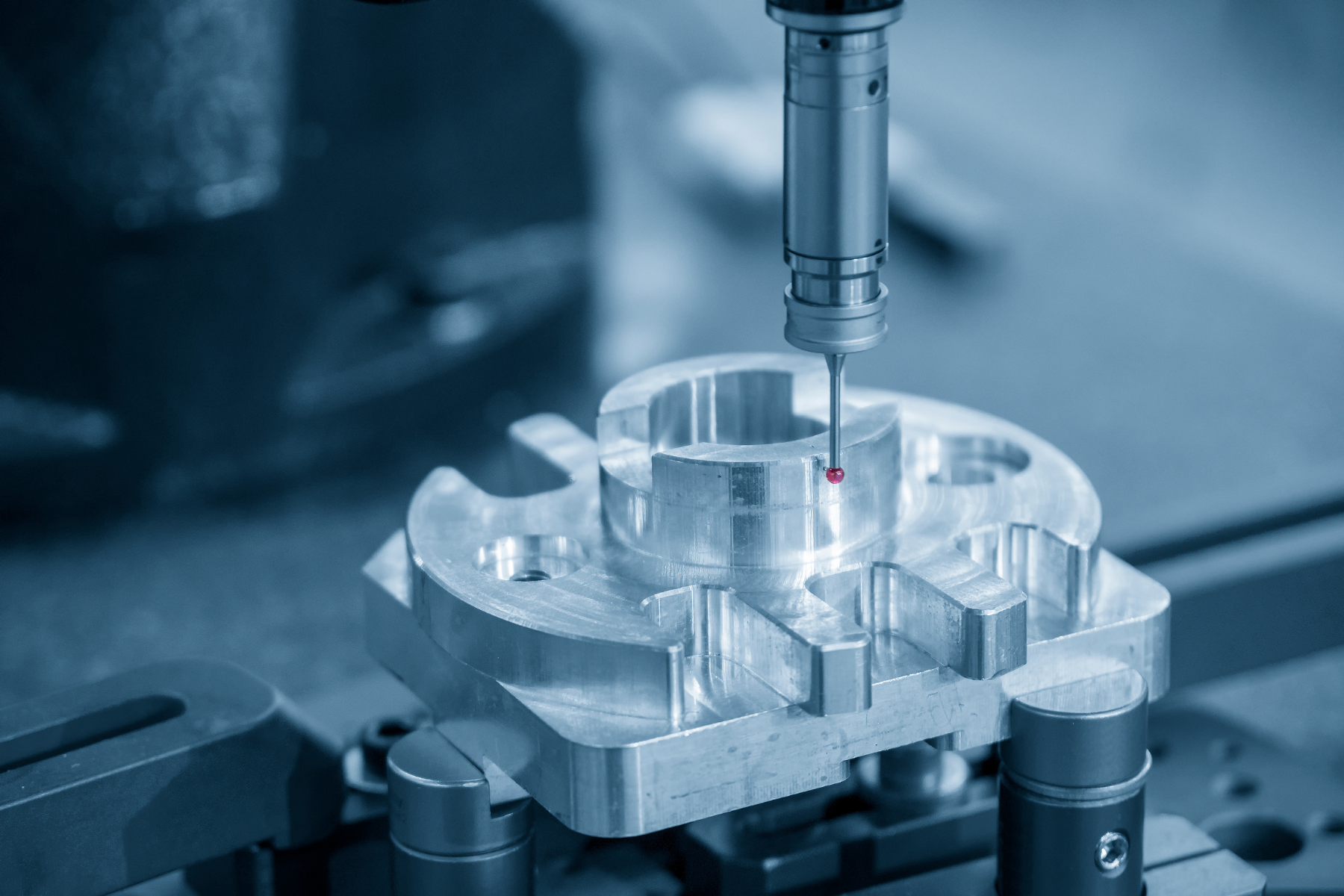 Practical Ways to Reduce Environmental Measurement Risk
Organizations that rely on precision inspection can improve their processes by addressing the environment proactively. Common best practices include:
Maintain Stable Temperature
Keep the inspection area at a controlled and consistent temperature. Avoid sudden shifts and monitor the room regularly.
Allow Parts to Acclimate
Give incoming parts enough time to stabilize before inspection, especially if they came from machining areas, shipping zones, or storage environments with different temperatures.
Limit Vibration Exposure
Place the CMM away from heavy machinery, traffic routes, and structural vibration sources whenever possible.
Control Airflow
Prevent direct drafts from vents, fans, open doors, or windows from reaching the machine and work area.
Keep the Area Clean
Establish regular cleaning routines for the room, the machine, fixtures, and reference artifacts.
Manage Humidity
Maintain a stable humidity range that supports both machine health and material stability.
Train Operators on Environmental Awareness
Make sure technicians understand how everyday workflow decisions can influence measurement results.
These practices help reduce environmental uncertainty and create stronger control over key CMM accuracy factors.
The Link Between Calibration and Environmental Conditions
Calibration and environmental control go hand in hand. A properly calibrated CMM is essential, but calibration alone does not eliminate the effects of a poor environment. If surrounding conditions are unstable, even a recently calibrated machine may deliver inconsistent results in actual use.
Likewise, reference artifacts and calibration equipment also need appropriate environmental conditions. Their reliability depends on proper handling, storage, and use in controlled settings. This is why organizations focused on accurate inspection often treat environmental management as part of a broader quality system rather than a separate issue.
FD Hurka is Here to Help!
Understanding how environmental conditions impact measurement performance is essential for any organization that depends on dimensional inspection. Temperature, humidity, vibration, airflow, contamination, and operator practices can all influence results in meaningful ways. These are not minor background details. They are central CMM accuracy factors that affect how much confidence a company can place in its inspection data. FD Hurka Metrology is your best option. Contact us today at 704-552-0008.
Common FAQs About CMM Accuracy Factors
1. What are CMM accuracy factors?
CMM accuracy factors are the conditions and variables that can affect how precisely a coordinate measuring machine performs, including temperature, humidity, vibration, airflow, contamination, and operator practices.
2. Why is temperature important for CMM accuracy?
Temperature affects both the CMM and the part being measured. Changes in temperature can cause materials to expand or contract, which may lead to inaccurate measurement results.
3. How does humidity affect CMM performance?
Humidity can influence long-term machine stability by contributing to corrosion, condensation risks, and wear on sensitive components. It can also affect certain non-metallic materials during measurement.
4. Can vibration interfere with CMM measurements?
Yes. Vibration from nearby equipment, traffic, or unstable flooring can disrupt probing and reduce repeatability, which can make measurement results less reliable.
5. Why does airflow matter in a CMM inspection area?
Airflow from vents, fans, doors, or windows can create temperature fluctuations and drafts that affect both the machine and the workpiece, leading to inconsistent results.
6. How does dust or contamination impact CMM accuracy?
Dust, oil mist, and debris can settle on the part, probe, or machine surfaces. This can interfere with contact points and cause the CMM to measure contamination instead of the true surface.
7. Do larger parts face more environmental measurement risks?
Yes. Larger parts may take longer to stabilize to room conditions and are more likely to experience uneven temperature differences across the workpiece.
8. Should parts acclimate before CMM inspection?
Yes. Parts should be allowed to reach a stable temperature in the inspection area before measurement, especially if they were moved from storage, shipping, or production environments.
9. Can human activity affect CMM accuracy factors?
Yes. Opening doors, moving parts between temperature zones, placing items on the machine, and inconsistent handling practices can all influence the inspection environment.
10. Is calibration enough to ensure accurate CMM results?
No. Calibration is essential, but environmental conditions must also be controlled. Even a calibrated CMM can produce inconsistent results if the surrounding environment is unstable.

Chuck Meredith is a military veteran with over two decades of experience at FD Hurka Metrology. Since joining the company in 1999, Chuck dedicated 20 years to sales before stepping into the role of President in January 2020. Passionate about people and service, Chuck takes pride in ensuring FD Hurka provides exceptional gaging and calibration solutions to its customers.
GET IN TOUCH
Shipping Address
Mailing Address
Phone Number
Fax Number
CONTACT
To request specific information or to have someone from the F. D. Hurka Metrology contact you, please fill out the contact form or click the button below to request a quote:
